

The global interest in cannabidiol, commonly known as CBD, has led to a massive influx of products on the market, ranging from infused gummies and specialty coffees to topical lotions and bath bombs. While having a variety of choices allows for creative experimentation, it has also introduced a significant amount of confusion regarding efficacy. Many consumers purchase cannabis wellness products without realizing that how a compound enters the body radically changes how well it works.
If you swallow a CBD capsule or chew a standard gummy, you are subjecting the active ingredients to a lengthy and harsh journey through your digestive system. Conversely, using the sublingual method, which involves placing drops of oil directly underneath your tongue, offers a direct pathway to the bloodstream. This guide explores the science behind sublingual administration, explains why it remains the preferred choice for medical professionals and seasoned consumers, and provides a clear protocol to maximize your results.
The Biological Framework: What Does Sublingual Mean
The term sublingual translates literally to under the tongue. It refers to a pharmacological method of administering substances orally so that they are absorbed directly through the mucosal membranes lining the mouth, rather than being digested.
The biological architecture underneath the human tongue is uniquely suited for rapid absorption. If you look in a mirror and lift your tongue, you will see a network of highly visible blue veins. This region is packed with tiny blood vessels called capillaries, covered only by a thin layer of mucous membrane tissue. Because this tissue layer is incredibly thin and permeable, fat-soluble compounds like cannabinoids can pass through it with remarkable ease.
When you hold CBD oil in this specific area, the molecules slip directly through the cellular walls of the capillaries and enter your systemic circulation immediately. This direct route offers two massive advantages that alternative ingestion methods simply cannot replicate: faster onset times and dramatically higher bioavailability.
Bioavailability: The Ultimate Metric of Efficacy
To understand why the sublingual method is superior, you must understand a pharmacological concept known as bioavailability. Bioavailability represents the exact percentage of an active substance that successfully enters your bloodstream in an unchanged, active form to produce a physiological effect. When you consume any compound, a portion of it is inevitably lost or destroyed during the delivery process.
The Problem with Oral Digestion
When you ingest an edible, capsule, or infused beverage, the product must travel down your esophagus and into your stomach. Here, it is subjected to highly acidic gastric juices and digestive enzymes, which begin to break down the cannabinoids.
From the stomach, the remaining compounds pass into the small intestine, where they are absorbed into the portal vein system and carried straight to the liver. The liver acts as your body’s primary chemical filtration plant, processing everything you swallow through a metabolic pathway known as the first-pass effect.
During this first-pass hepatic metabolism, liver enzymes aggressively degrade the cannabinoids, destroying a vast majority of the CBD before it ever gets a chance to reach your brain or central nervous system. Clinical research indicates that standard oral edibles possess a baseline bioavailability rate of just 4% to 20%. This means that if you eat a gummy containing twenty milligrams of CBD, your body may only utilize as little as one or two milligrams of the active compound.
The Sublingual Advantage
Because sublingual application bypasses the stomach, small intestine, and liver entirely, the first-pass effect is completely avoided. The active CBD molecules enter your bloodstream directly through the oral capillaries, preserving their chemical integrity.
This optimization elevates the biological utility of the compound, pushing sublingual bioavailability estimates up to 35% or higher. By avoiding the destructive digestive tract, your body processes a significantly larger portion of the initial dose, making the sublingual method both highly effective and economically efficient over time.
Onset and Duration: Gauging the Time Horizon
Beyond saving money by preserving the potency of the cannabinoid, the sublingual method alters the temporal dynamics of your experience.
Speed of Onset
Because the pathway from the sublingual capillaries to the central nervous system is incredibly short, the physical and mental effects of the oil manifest rapidly. Most consumers begin to notice a gentle sense of relaxation, reduced muscle tension, or mental clarity within fifteen to thirty minutes of application. In comparison, swallowed edibles or capsules require anywhere from one to two hours to navigate the digestive system before producing a noticeable shift in wellness.
Length of Duration
It is worth noting that because sublingual CBD enters the blood quickly, it also clears the system at a more rapid, predictable pace. The therapeutic effects of a sublingual dose typically persist for roughly four to six hours. Oral ingestibles, while slow to arrive, undergo a very slow release as digestion proceeds, allowing their effects to linger in the body for up to eight hours. For individuals looking for rapid, predictable relief from acute stress, physical discomfort, or midday anxiety, the speed of the sublingual drop is unparalleled.
A Step-by-Step Protocol for Sublingual Application
To achieve the maximum possible absorption rate from your sublingual CBD oil, you must execute the process correctly. Simply dropping the liquid into your mouth and swallowing it immediately turns the product into a standard, low-efficiency edible. Follow these steps for optimal results:
-
Prep the Mouth: Try to avoid eating, drinking, or brushing your teeth immediately before taking your dose, as these activities can temporarily alter the localized blood flow and chemical balance inside your mouth.
-
Measure the Dosage: Use the graduated glass dropper to measure your precise liquid dose out of the bottle. If you are a beginner, starting with a low dose of ten to fifteen milligrams is recommended.
-
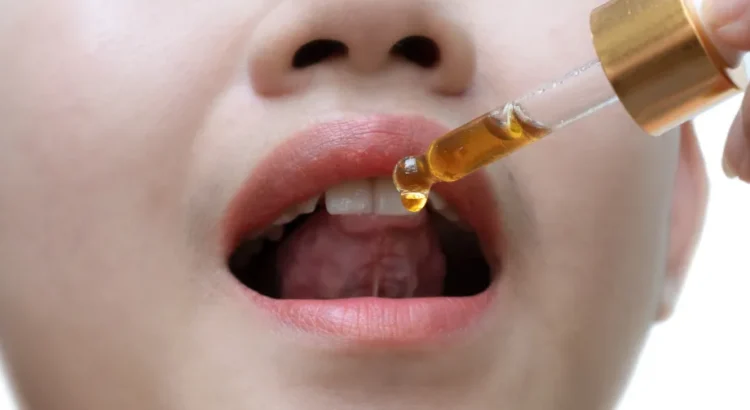
Lift and Drop: Lift your tongue toward the roof of your mouth. Position the dropper directly over the sublingual cavity on either side of the thin tissue connecting the bottom of your tongue to the floor of your mouth. Squeeze the bulb to release the oil drops.
-
Hold and Wait: Lower your tongue and hold the oil under your tongue for a minimum of sixty to ninety seconds. Avoid swallowing your saliva during this window. The longer you hold the liquid against the mucous membranes, the more time the cannabinoids have to pass through into the capillaries.
-
Swallow the Remainder: Once the time has elapsed, swallow the remaining liquid. Any trace amount of CBD that did not absorb through the membranes will pass through your digestive system, providing a secondary, slow-release benefit later on.
Choosing the Best Carrier Oil for Sublingual Use
Pure CBD extract is a dense, highly viscous crystalline material that cannot be easily measured or absorbed on its own. To make it usable, manufacturers dissolve the extract into a food-grade liquid known as a carrier oil. The choice of carrier oil plays an important role in how efficiently the sublingual membrane processes the cannabinoids.
The most popular and highly effective carrier option is Medium-Chain Triglyceride oil, commonly referred to as MCT oil. Usually derived from coconuts, MCT oil is comprised of fats with shorter chemical structures than traditional vegetable oils. Because these fat molecules are small, they act as excellent bio-availability enhancers, allowing the dissolved CBD to pass through human cellular membranes with minimal resistance.
Other high-quality options include organic hemp seed oil, which provides an authentic, earthy flavor profile rich in omega fatty acids, and extra virgin olive oil, which offers a smooth texture though a slightly heavier taste.
Frequently Asked Questions
Why does sublingual CBD oil sometimes cause a tingling sensation under the tongue?
A mild tingling or warming sensation can occur if the CBD oil features a highly concentrated full-spectrum extract dense with natural plant terpenes, such as caryophyllene or pinene, which possess subtle peppery or spicy properties. Additionally, some brands add natural essential oils like peppermint or citrus for flavoring, which can cause a brief sensory reaction on the sensitive mucosal tissue.
Can I mix my sublingual CBD oil into a cup of tea or a smoothie?
While you can technically mix the oil into beverages, doing so completely defeats the purpose of the sublingual method. Mixing the oil into a liquid forces you to swallow it, turning it into a traditional ingestible that must navigate the entire digestive tract and liver, which drastically reduces its overall speed and bioavailability.
What should I do if I cannot stand the natural taste of unflavored CBD oil?
Unflavored hemp extracts can taste bitter, grassy, or intensely earthy. If you dislike this flavor profile, look for premium brands that offer naturally flavored sublingual oils utilizing organic peppermint, vanilla, or berry extracts. Alternatively, you can place a small drop of honey under your tongue along with the oil to mask the flavor without disrupting absorption.
Does the presence of food in my stomach affect how well sublingual oil works?
Because the vast majority of sublingual CBD is absorbed directly through the tissues inside your mouth before reaching your stomach, the presence of food in your digestive tract has a negligible impact on the initial absorption speed. However, any minor amount of oil that you eventually swallow will be processed better if you have healthy fats in your stomach.
Is it normal for the color of my sublingual CBD oil to change over time?
Yes. Natural cannabis extracts dissolved in carrier oils can undergo subtle color changes when exposed to air, light, and temperature fluctuations over time. For example, high-quality MCT-based oils can sometimes develop a light pink or amber hue due to the natural oxidation of organic plant compounds. This color shift is completely normal and does not indicate a loss of product safety or potency.
How long should I wait to eat or drink after taking a sublingual dose?
To ensure that all the active cannabinoids have fully cleared the mucosal membranes and entered your capillary network, it is best to wait roughly five to ten minutes after swallowing the remaining oil before drinking water, consuming a meal, or using mouthwash.