
The true indicator of a successful fitness routine is not just the intensity of your training session, but how effectively you recover afterward. When you push your body during a high-intensity workout, lifting weights, or running long distances, you create microscopic tears in your muscle fibers. This structural breakdown triggers a natural inflammatory response, often culminating in stiffness and delayed onset muscle soreness.
To optimize physical recovery, fitness enthusiasts and elite athletes are shifting their attention away from traditional synthetic pain relievers and turning toward plant-based alternatives. Cannabidiol, commonly known as CBD, has emerged as a cornerstone of modern athletic recovery. By understanding the biological mechanics of how CBD interacts with your physiological systems, you can seamlessly integrate this compound into your post-training lifestyle to manage soreness, improve sleep quality, and return to your workouts much faster.
The Biology of Exercise and the Endocannabinoid System
To appreciate why CBD is effective for post-workout recovery, it helps to understand the internal framework called the Endocannabinoid System. This biological network consists of receptors scattered throughout your brain, nervous system, organs, and immune tissues. The primary purpose of this system is to maintain homeostasis, which is the internal balance of your bodily functions despite external stressors like intense physical exertion.
When you complete a rigorous workout, your body undergoes transient physical stress. Your muscle tissues experience micro-tears, cortisol levels spike, and localized oxidative stress increases. Your body naturally produces molecules called endocannabinoids to bind with cellular receptors and bring your systems back into balance.
CBD acts as an external supporter of this process. Unlike THC, the primary compound in cannabis that causes an intoxicating high, CBD is entirely non-intoxicating. Instead of binding directly to endocannabinoid receptors, it encourages your body to utilize its own natural supply of endocannabinoids more efficiently, helping to reduce the physiological impact of intense exercise.
The Primary Recovery Benefits of CBD
Incorporating cannabidiol into your post-workout protocol offers several distinct physiological advantages that target the most challenging aspects of athletic recovery.
Managing Exercise-Induced Inflammation
Inflammation is a necessary biological response required for muscle repair and adaptation. However, excessive or prolonged inflammation can lead to chronic soreness, restricted joint mobility, and extended recovery windows. CBD interacts with receptors that regulate the immune response, helping the body modulate inflammatory pathways. By keeping this response within a healthy, manageable range, you can reduce the overall duration of post-exercise discomfort.
Alleviating Muscle Tension and Discomfort
Intense training frequently leads to localized muscle tension, knots, and spasms. CBD possesses natural muscle-relaxant properties. Whether applied directly to the skin or consumed internally, it helps soothe hyperactive muscle fibers, reducing tightness and supporting physical relaxation.
Enhancing Sleep Quality for Tissue Repair
The vast majority of physical recovery, cellular regeneration, and tissue repair occurs during the deep stages of sleep, when your body releases human growth hormone. If your sleep is disrupted due to physical discomfort or elevated nervous system activity after a late-night workout, your recovery will suffer. CBD is highly regarded for its ability to lower baseline stress, calm mental chatter, and encourage deeper, more restorative sleep cycles.
Choosing the Right CBD Format for Your Needs
Cannabidiol comes in many different forms, and each delivery method offers a different rate of absorption and length of effectiveness. Choosing the right format depends heavily on whether you are targeting localized muscle stiffness or overall systemic recovery.
-
Topicals (Creams, Balms, and Roll-ons): Topicals are designed for direct application to the skin over specific areas, such as a sore knee, tight calves, or a stiff lower back. The CBD is absorbed through the dermal layers to interact with localized cannabinoid receptors without ever entering the bloodstream. This makes topicals ideal for immediate, targeted relief after a workout.
-
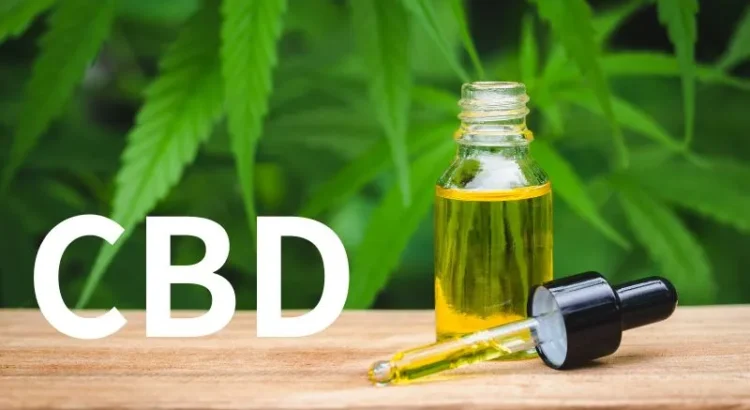
Sublingual Tinctures (Oils): Tinctures are liquid extracts administered under the tongue using a dropper. Holding the liquid sublingually for sixty seconds allows the CBD to enter the bloodstream directly through the mucous membranes, bypassing the digestive tract. This method provides rapid, systemic relief throughout the entire body, typically taking effect within fifteen to thirty minutes.
-
Ingestibles (Capsules and Gummies): Capsules and edible gummies are swallowed and must pass through the digestive system and liver before entering circulation. While this means the effects take longer to manifest, usually between one and two hours, the systemic benefits are released gradually over a much longer duration, making them excellent for sustained comfort or overnight sleep support.
Step-by-Step Integration Protocol
If you want to maximize the performance benefits of CBD, consistency and timing are key. Here is a practical roadmap to follow on training days.
Phase 1: Immediately Post-Workout (0 to 30 Minutes)
As soon as you finish your cool-down stretches and rehydrate, address localized physical stress. Apply a high-potency CBD topical cream directly onto the muscle groups you just trained. Look for topical formulas that combine CBD with cooling agents like menthol or warming ingredients like capsicum to provide immediate sensory relief while the cannabinoids absorb into the tissue.
Phase 2: Nutritional Re-fueling (1 to 2 Hours Post-Workout)
When you sit down to eat your post-workout meal consisting of lean proteins and complex carbohydrates, consider adding a sublingual CBD tincture or capsule to your routine. Cannabinoids are fat-soluble compounds, meaning they are absorbed much more efficiently by your digestive tract when consumed alongside healthy dietary fats, such as avocado, eggs, or nuts.
Phase 3: Nighttime Wind-Down (1 Hour Before Bed)
To transition your body out of a sympathetic state of fight-or-flight and into a parasympathetic state of rest-and-digest, take a dedicated nighttime dose of CBD. Consuming a CBD capsule or gummy roughly one hour before your head hits the pillow will ensure the compound is fully active in your system as you enter your primary sleep cycles, maximizing cellular repair throughout the night.
Essential Considerations for Quality and Safety
Because the hemp and CBD industry is not strictly regulated in the same manner as pharmaceutical medications, the burden of quality control falls on the consumer. To protect your health and ensure you are buying an effective product, keep these guidelines in mind.
Always Review Third-Party Lab Reports
Reputable CBD brands provide an accessible Certificate of Analysis for every product batch. This document is generated by an independent, third-party laboratory and confirms the exact cannabinoid potency while verifying that the product is completely free of harmful contaminants like heavy metals, residual chemical solvents, pesticides, and mold. If a brand cannot provide these reports, avoid purchasing their products.
Understand the Extract Types
When shopping for products, you will encounter three primary terms describing the extract type:
-
Full-Spectrum: Contains all the cannabinoids, terpenes, and flavonoids naturally found in the hemp plant, including legal trace amounts of THC below zero point three percent. These compounds work together to enhance overall efficacy.
-
Broad-Spectrum: Contains a wide array of cannabinoids and terpenes, but undergoes an extraction process to entirely remove all traces of THC.
-
CBD Isolate: The purest form of cannabidiol, isolated completely from all other plant compounds, resulting in a crystalline powder that is ninety-nine percent pure CBD with zero THC.
Frequently Asked Questions
Will using CBD cause me to fail a workplace drug test?
Workplace drug screens look specifically for the metabolites of THC, not CBD. If you use a pure CBD isolate or a broad-spectrum product, you should not test positive. However, full-spectrum products contain trace legal amounts of THC that can accumulate in the body over time with heavy usage, potentially triggering a positive result on sensitive drug screens.
How do I figure out the correct dosage for recovery?
There is no universal dosage for CBD because factors like body weight, metabolism, and individual endocannabinoid receptor density vary. The best approach is to start with a low dose, such as ten to fifteen milligrams after a workout, and gradually increase the amount by five milligrams every few days until you achieve the desired relief.
Can I use CBD before a workout instead of afterward?
Yes. Some fitness enthusiasts prefer using a moderate dose of CBD before training to promote mental focus, manage pre-workout anxiety, and proactively mitigate the initial inflammatory response during extended endurance activities like marathon training.
Does CBD interact with standard over-the-counter pain medications?
CBD is metabolized by the liver using the same enzyme pathway as many prescription and over-the-counter medications. If you routinely take non-steroidal anti-inflammatory drugs or blood thinners, consult with a healthcare professional before adding internal CBD to your routine to prevent potential alterations in medication absorption.
How long does it take for a topical CBD cream to work on a sore muscle?
Topical formulations generally provide the fastest localized relief. Depending on the permeability of the cream and whether it includes supporting ingredients like camphor or menthol, you will typically begin to notice a soothing reduction in muscle tightness within ten to twenty minutes of application.
Is it safe to use CBD for recovery every single day?
Yes. Research indicates that CBD is well-tolerated by the human body even when consumed daily in high doses. Using it consistently helps maintain a steady level of cannabinoids within your system, leading to more predictable baseline regulation of inflammation and sleep quality over time.