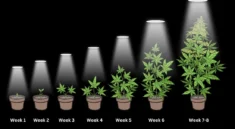


The legal cannabis market is no longer a localized grassroots industry. Driven by legislative shifts, consumer demands for consistency, and significant engineering breakthroughs, cannabis has transformed into a highly sophisticated global market. As operating margins face pressure from price compression and regulatory requirements tighten, businesses are turning to advanced hardware and software to survive and thrive.
For consumers, this evolution means safer, more predictable, and highly customized experiences. From artificial intelligence guiding agricultural yields to precision manufacturing creating fast-acting formulas, technology is rewriting the rules of interaction with this ancient plant. Here is a comprehensive look at the groundbreaking technologies and market trends defining the cannabis landscape this year.
Smart Agriculture and AI-Driven Cultivation
The image of a legacy grower relying entirely on intuition is fading. Commercial cannabis cultivation now resembles advanced pharmaceutical manufacturing. Commercial facilities leverage the Internet of Things, which refers to a network of physical objects embedded with sensors and software, to monitor environmental variables in real time.
Environmental Optimization via IoT
Smart sensors placed throughout cultivation rooms continuously measure soil moisture, ambient temperature, relative humidity, and carbon dioxide levels. These sensors form an interconnected ecosystem with HVAC and automated irrigation networks, allowing the cultivation environment to self-correct instantly if a variable drifts outside of optimal parameters. This degree of control prevents crop-destroying issues like powdery mildew or root rot before they can take hold.
The Role of Artificial Intelligence
Artificial intelligence platforms have moved beyond data collection to active predictive analysis. By feeding historical harvest statistics and real-time sensory data into machine learning models, algorithms can forecast total crop yields, predict precisely when a specific strain will reach peak potency, and identify early micro-signs of nutrient deficiencies. Furthermore, artificial intelligence is utilized in plant breeding programs to map out genetic strains, allowing cultivators to isolate desirable characteristics such as pest resistance or specific cannabinoid expressions without spending years on manual cross-breeding trials.
Sustainable and Strategic Lighting
Lighting design has evolved into a strategic science. High-pressure sodium lamps, which consume massive amounts of electricity and emit extreme heat, are largely obsolete. Modern commercial operations utilize tunable LED grow light arrays. These smart lighting fixtures allow growers to alter the light spectrum dynamically depending on whether a plant is in the vegetative or flowering stage.
Recently, cultivators have begun implementing under-canopy lighting systems. Placing dedicated LED bars beneath the primary plant canopy ensures that lower leaves and flower sites receive adequate illumination, significantly boosting overall crop yield and eliminating low-quality underdeveloped material.
Nanoemulsion and the Edible Revolution
A long-standing complaint regarding traditional cannabis edibles is the delayed onset time. Because cannabinoids are naturally fat-soluble, traditional baked goods or standard gummies must pass through the stomach and liver before entering the bloodstream. This metabolic pathway can take anywhere from forty-five minutes to two hours, often leading consumers to over-consume before the initial dose takes effect.
Instant Absorption Technology
To solve this issue, manufacturers have turned to nanotechnology, specifically nanoemulsion. This scientific process uses high-shear mixers and emulsifiers to break down fat-soluble cannabinoids into microscopic, water-soluble particles. Because these particles are so incredibly small, they bypass the traditional digestive route.
Instead, nano-emulsified cannabinoids are absorbed directly through the mucosal membranes of the mouth and esophagus, entering the bloodstream almost instantly. This technology has successfully reduced consumer wait times down to ten to fifteen minutes, offering a predictable, rapid experience that closely mirrors the onset time of inhalation methods.
While new edible technologies mimic these inhalation speeds, many consumers still prefer traditional vapor or smoke. This preference has led to a surge in demand for clean, solventless concentrates made without chemical additives. Ice water extraction is one of the most popular methods for creating these clean products. Achieving the best results requires selecting the best micron for bubble hash bags during the washing process. This choice determines the purity of the final concentrate, as different filter sizes separate the active trichomes from unwanted plant material.
The Rise of Social Mocktails
This technological breakthrough has fueled an explosion in the cannabis-infused beverage sector. Microdosed seltzers, functional teas, and craft alcohol-free mocktails are rapidly gaining traction as mainstream social alternatives to alcohol. Because these beverages kick in quickly and dissipate at a predictable rate, consumers can safely navigate social gatherings without the prolonged impairment or next-day hangovers associated with alcohol or traditional edibles.
Minor Cannabinoids and Function-First Formulations
For years, the public conversation surrounding cannabis centered strictly on two primary compounds: THC and CBD. However, the plant produces over one hundred distinct minor cannabinoids, and research is finally unlocking their unique capabilities. Consumers are shifting away from chasing the highest possible THC percentages, choosing instead to seek out targeted, functional wellness outcomes.
-
CBN (Cannabinol): Formed when THC ages and oxidizes, CBN has emerged as a powerhouse ingredient for sleep and nighttime relaxation products, often blended with functional botanicals like lavender or chamomile.
-
CBG (Cannabigerol): Often referred to as the stem cell cannabinoid because it serves as the chemical precursor to other cannabinoids, CBG is highly sought after for its potential anti-inflammatory and gut-health applications.
-
THCV (Tetrahydrocannabivarin): Unlike standard THC, THCV does not produce a heavy intoxicating effect. Instead, it is being formulated into daytime products designed to promote physical energy, mental focus, and appetite suppression, earning it popularity among health-conscious individuals.
Supply Chain Integrity, Blockchain, and Seed-to-Sale Tracking
Operating a legal cannabis business involves navigating a minefield of complex, hyper-local regulations. State and national governments enforce strict compliance structures that require businesses to account for every single gram of cannabis from the moment a seed is planted to the final point of retail purchase.
To manage this burden, operators deploy automated seed-to-sale tracking software that integrates directly with government compliance portals. Every plant receives a unique barcode or radio-frequency identification tag that tracks its entire movement through the supply chain.
To eliminate fraud and ensure unalterable transparency, advanced software platforms utilize blockchain technology. By recording lab testing results, pesticide applications, and ownership transfers onto an immutable digital ledger, brands can provide consumers with absolute transparency. A consumer can scan a quick-response code on a product label and instantly review the exact cultivation history and third-party laboratory safety clearance for that specific batch.
Smart Retail and Personalized Consumer Experiences
The consumer-facing side of cannabis is undergoing a major digital transformation, mirroring mainstream e-commerce platforms. Dispensaries are investing heavily in technologies that bridge the gap between digital convenience and personalized, in-store guidance.
Personalized App Ecosystems
New consumer software applications use biometric tracking data and personal history logs to take the guesswork out of product selection. By allowing users to log their specific stress levels, sleep cycles, and physical responses to different products, artificial intelligence engines can analyze personal data points to recommend exact strains and terpene profiles tailored to an individual’s unique biology.
Streamlined Dispensary Infrastructure
Inside modern retail dispensaries, long checkout queues are being reduced by interactive digital kiosks and mobile point-of-sale systems. Consumers can easily browse live digital menus that sync instantly with real-time back-of-house inventory, complete their transactions using contactless digital payment methods, and arrange for secure curbside pickup or home delivery within hours.
Frequently Asked Questions
What exactly is cannabinoid biosynthesis?
Cannabinoid biosynthesis is an emerging lab-based technology where scientists use modified microorganisms, such as yeast or algae, to produce pure cannabinoids without growing a physical plant. This process allows manufacturers to create rare minor cannabinoids at a fraction of the cost and environmental footprint required for traditional field farming.
Why are ceramic heating elements replacing metal components in vaporizers?
Ceramic components offer superior thermal resistance and distribute heat much more evenly than cheap metal coils. This design prevents the cannabis oil from burning, preserves the delicate flavor profile of natural terpenes, and eliminates the risk of heavy metal off-gassing, providing a significantly cleaner inhalation experience.
What are smart soil sensors used for?
Smart soil sensors are placed directly into the growing medium to measure electrical conductivity, moisture retention, and localized nutrient saturation. This real-time data tells the automated cultivation system exactly how much water and fertilizer the plant needs at any given moment, preventing over-watering and reducing nutrient waste.
How does microdosing benefit new consumers?
Microdosing involves consuming tiny, controlled amounts of THC, typically between one and two point five milligrams. This technique allows individuals to experience the therapeutic wellness benefits of cannabis, such as stress reduction and focus, without experiencing an intense, disruptive psychoactive high.
What is the purpose of cross-contamination zoning in manufacturing facilities?
As cannabis companies expand into multi-product portfolios like chocolates, baked goods, and vegan gummies, production facilities must isolate ingredients. Cross-contamination zoning prevents accidental allergen transfers and ensures that high-dose products never accidentally mix with low-dose or pure CBD wellness lines.
How do direct wholesale e-commerce platforms help cannabis brands?
These digital business-to-business platforms allow cannabis brands to sell their products directly to retail dispensaries without relying on traditional distributors who charge high commission fees. This direct connection improves profit margins, keeps consumer prices stable, and streamlines regional inventory logistics.