
Anxiety disorders represent one of the most widespread mental health challenges in modern society. Millions of people routinely navigate the exhausting symptoms of chronic worry, physical tension, panic attacks, and social apprehension. While traditional pharmaceutical interventions such as selective serotonin reuptake inhibitors and benzodiazepines provide critical relief for many, they often come accompanied by undesirable side effects, including dependency, sedation, and emotional blunting.
This has led a growing number of individuals to seek out plant-based alternatives to supplement their mental wellness routines. Cannabidiol, commonly known as CBD oil, has rapidly emerged as a highly sought-after remedy for stress and anxiety management. Extracted from the industrial hemp plant, CBD offers a non-intoxicating approach to calming an overactive nervous system. However, separating marketing hype from legitimate clinical evidence is vital for anyone considering this botanical compound.
The Neurobiology of Calm: How CBD Interacts with the Brain
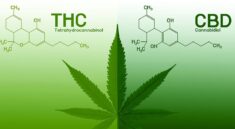
To understand how CBD oil can help alleviate anxiety, it is necessary to examine how it interacts with human physiology. The human brain relies on a highly sophisticated network of neurotransmitters, receptors, and chemical messengers to regulate mood, fear responses, and stress levels. Unlike tetrahydrocannabinol, or THC, which binds directly to receptors to produce a mind-altering high, CBD works indirectly through several distinct neurological pathways.
The Serotonin Pathway
Serotonin is a critical neurotransmitter responsible for maintaining emotional balance, happiness, and a sense of calm. Traditional anti-anxiety medications work by preventing the brain from reabsorbing serotonin, thereby increasing its availability. Preclinical research demonstrates that CBD interacts directly with the 5-HT1A receptor, which is a subtype of the serotonin receptor. By stimulating this specific pathway, CBD mimics some of the calming properties of serotonin, helping to reduce the acute psychological distress associated with anxiety.
Endocannabinoid System Modulation
The human body possesses an internal regulatory framework called the Endocannabinoid System. This system works continuously to maintain homeostasis, balancing everything from pain perception to emotional responses. When you experience chronic stress, your body can experience a temporary depletion of its own naturally occurring endocannabinoids, particularly a molecule known as anandamide, often called the bliss molecule. CBD inhibits the production of certain fatty acid enzymes that typically break down anandamide. By keeping anandamide active in your system for a longer duration, CBD helps reinforce the body’s natural defense mechanism against stress.
Regulating the Amygdala
The amygdala is the region of the brain responsible for processing fear and triggering the fight-or-flight response. In individuals suffering from generalized anxiety disorder or post-traumatic stress disorder, the amygdala is frequently hyperactive, misinterpreting mundane daily stressors as existential threats. Neuroimaging studies indicate that CBD can alter blood flow patterns in brain regions associated with anxiety, effectively turning down the volume on a hyperactive amygdala and lowering autonomic nervous system responses like an elevated heart rate.
What the Clinical Research Demonstrates
While anecdotal testimonials regarding CBD oil are abundant, the scientific community requires rigorous clinical data to validate these claims. Over the past decade, a growing body of clinical trials and human laboratory studies has provided valuable insights into the efficacy of CBD for various forms of anxiety.
Social Anxiety and Public Speaking
One of the most frequently referenced human studies regarding CBD involved individuals diagnosed with Social Anxiety Disorder. Participants were subjected to a simulated public speaking test, an environment designed to provoke high levels of acute stress. Half of the group received a single dose of CBD prior to the test, while the other half received a placebo. The results indicated that those who consumed the active compound experienced significantly lower levels of anxiety, cognitive impairment, and physical discomfort during their speeches compared to the control group.
Post-Traumatic Stress Disorder Management
Research exploring the impact of CBD on trauma-related anxiety has shown highly promising results. Clinical trials suggest that CBD can assist in the process of fear extinction, which is the therapeutic resetting of a conditioned fear response. For individuals dealing with intrusive memories, night terrors, and hyper-vigilance, consistent daily doses of CBD oil have been shown to reduce the severity of these symptoms, allowing patients to engage more effectively with cognitive behavioral therapies.
Types of Anxiety That May Benefit from CBD
Because anxiety manifests differently depending on the individual and the underlying trigger, researchers look at how CBD impacts specific subcategories of the condition:
-
Generalized Anxiety Disorder: Characterized by persistent, unrealistic worry about everyday things. CBD is often utilized here to lower daily baseline tension and promote a steady state of calm.
-
Panic Disorder: Involves sudden, intense episodes of terror accompanied by physical symptoms like chest tightness and shortness of breath. Users often utilize rapid-absorption methods to help de-escalate the initial physical surge of a panic attack.
-
Insomnia Driven by Anxiety: Mental hyper-arousal at bedtime prevents millions from falling asleep. CBD addresses the root anxiety causing the racing thoughts, facilitating a smoother transition into deep, restorative sleep cycles.
Choosing the Right Delivery Method and Dosage
If you decide to incorporate CBD oil into your anxiety management protocol, understanding the practical application methods is crucial for achieving consistent results.
Delivery Methods and Onset Times
The manner in which you consume CBD oil determines how quickly it takes effect and how long the calming benefits will endure. Sublingual consumption, which involves placing drops of oil directly under the tongue and holding it there for sixty seconds, allows the cannabinoids to enter the bloodstream via the mucous membranes. This method generally takes effect within fifteen to thirty minutes and lasts for several hours.
Alternatively, oral ingestion via capsules or gummies requires the compound to travel through the digestive tract and liver. While this delays the onset time to roughly one to two hours, it provides a much slower, sustained release of CBD throughout the day, making it highly effective for managing long-term, baseline daily stress.
Navigating the Dosage
There is no standardized medical dosage for CBD oil because human body chemistry, weight, metabolic rates, and receptor densities vary wildly. The clinical consensus for beginners is to start with a low baseline dose, such as ten to twenty milligrams per day. Maintain this exact amount for a full week while keeping a journal to track your anxiety levels. If you do not achieve the desired sense of relaxation, gradually increase the dosage by five milligrams every few days until you find your optimal therapeutic threshold.
Potential Side Effects and Safety Protocols
Cannabidiol is widely recognized as a safe and well-tolerated compound by major international health organizations. However, like any active botanical substance, it can produce mild side effects in some users. These may include a temporary dry mouth, low blood pressure, mild drowsiness, or changes in digestive patterns.
The most critical safety consideration regarding internal consumption is how CBD interacts with existing pharmaceutical prescriptions. CBD is processed in the liver by the cytochrome P450 enzyme system, the exact same pathway responsible for breaking down a vast majority of conventional clinical medications. When taken concurrently, CBD can temporarily inhibit these enzymes, causing your prescription medication to linger in your bloodstream at higher concentrations than intended. If you currently take blood thinners, blood pressure medications, or traditional psychiatric drugs, it is essential to consult your primary healthcare physician before introducing CBD oil to your daily routine.
Frequently Asked Questions
Will CBD oil make me feel intoxicated or high?
No. CBD oil derived from industrial hemp contains little to no THC, which is the specific psychoactive compound responsible for the classic cannabis high. CBD is entirely non-intoxicating and will not alter your sensory perception or cognitive processing capabilities.
How quickly does CBD oil work to calm acute anxiety?
The onset time depends entirely on the consumption method. Taking a CBD tincture sublingually under your tongue usually brings about a noticeable reduction in physical tension within fifteen to thirty minutes, whereas swallowing a capsule or edible can take up to two hours to fully take effect.
What is the difference between hemp seed oil and CBD oil?
Hemp seed oil is extracted strictly from the seeds of the hemp plant and contains no functional cannabinoids or CBD. It is primarily used for culinary purposes and skin hydration. True CBD oil is extracted from the flowers, leaves, and stalks of the mature plant, where the active, therapeutic cannabinoids reside.
Can I use CBD oil every single day without building a dependency?
Yes. Clinical studies indicate that humans do not build a physical tolerance or dependency to CBD. Because it does not over-stimulate the brain’s reward centers, you can safely use it as a daily wellness supplement and discontinue use at any point without experiencing withdrawal symptoms.
Why do some people prefer full-spectrum CBD oil over CBD isolate?
Full-spectrum CBD oil retains all the original cannabinoids, terpenes, and flavonoids native to the hemp plant. These compounds work together synergistically in a biological phenomenon known as the entourage effect, making the overall anti-anxiety benefits significantly more potent than pure CBD isolate alone.
Does CBD oil cure chronic anxiety disorders permanently?
No. CBD oil is not a permanent cure for anxiety disorders. Instead, it serves as an effective management tool that helps soothe the physical and neurological symptoms of stress in real time, making it easier to navigate daily challenges alongside lifestyle adjustments or behavioral therapy.